We wanted to grow up so badly; to get our own space and have no one tell us what time to be back home. Our parents made adulting seem so cool.
It kinda is, only they didn’t tell us we would also be in charge of our rent, groceries, gas and basically, our entire lives.
Everything can feel so overwhelming. The goals you care about sitting next to errands you can’t ignore.
How do you organize your life when it feels like you’re crumbling under the weight of everything?
1. Reset
The first step to organizing your life is to reset. Not the cute ‘new month, new me’ kind of reset. But a real one.
You are overloaded, and things have been piling up quietly. Unfinished tasks have multiplied, responsibilities have stacked, and now everything feels urgent.
You need to press restart before life presses you.
Write everything down. Everything. From the unpaid bills to unfinished tasks and half-started ideas. Write it all down.
Now it all looks manageable. Two hundred things in your head is usually 20-30 on paper. Your anxiety reduces because now everything isn’t screaming at the same time.
Clean your space as well. Not necessarily perfectly, but enough to breathe. Make your bed, clear your home workspace, and throw out the trash.
Then check your calendar. What do you have planned this week? Are there any looming deadlines? Is there anything that you haven’t scheduled yet?
The reason you feel like life’s collapsing on you is because you haven’t zoomed out in a while. You’ve been living in survival mode.
A reset gets you back in control mode. It’s like clearing out space in your phone. Your life deserves the same clean-up.
2. Prioritize
Back to the list you have written down. Separate them into three simple categories:
- Must handle immediately
- Needs attention soon
- Can wait
Everything feels important when you’re overwhelmed. Prioritizing is about deciding what deserves your attention and energy right now.
Usually, the most important thing. Not the loudest, not the easiest, or what makes you feel productive temporarily. But what actually keeps your life stable or moves it forward.
A good way to prioritize your tasks is to ask yourself: If I could handle only three tasks today, which ones would make the biggest difference?
Those are your real priorities. Everything else is either maintenance or noise.
Prioritizing may feel uncomfortable since you’re admitting some things can wait. And that’s fine. Not everything needs equal attention, and you can’t handle everything in a single day.
Get clear on what matters and focus on that.
3. Time Management
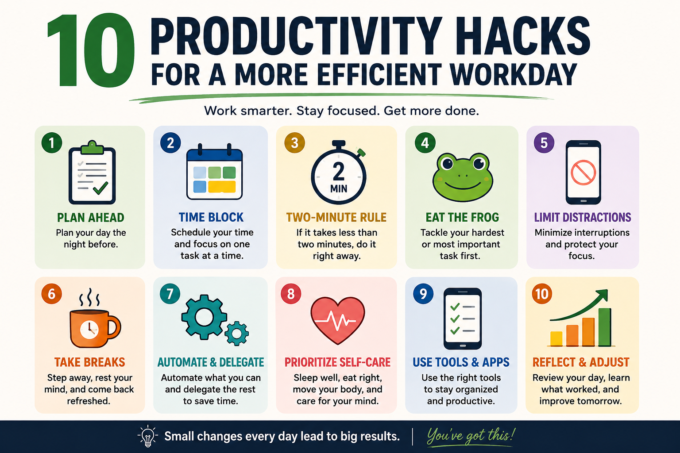
We all get 24 hours. The difference is how intentionally we use them. Time management is about being intentional with how you use your time..
Start simple. Before the day starts, decide:
- What must get done today
- What can wait without consequences
- What a win would look like
Plan for everything. Even the ‘quick task’ that you think would take 5 minutes and ends up consuming an hour of your time.
While at it, avoid multitasking. It feels productive, but it’s not. You end up with fragmented attention every time you switch between tasks.
Block your time instead. Give one task your full attention for a set window before moving to the next. Life will interrupt you. So, give yourself margin for small setbacks.
Everything feels better when you protect what matters inside your day.
4. Good vs. Bad Habits

Your life is a collection of your habits. Not your plans, not your intentions, but your habits.
- The scrolling before bed
- The skipping workouts because you’re tired
- The procrastination when a task feels too hard
They may not feel dramatic at the moment, but stacked over weeks, and they shape everything. Bad habits create chaos while good habits reduce it.
Begin small:
- Sleep on time.
- Plan your week ahead.
- Check your finances regularly.
- Put things back where they belong.
Don’t rely on motivation, because it’s not every day you’ll feel like it. Discipline beats motivation every day.
Over time, good habits will create quiet stability. You’ll pay your bills on time, have a cleaner space, and a clearer head
5. Develop a Routine
Routine may sound monotonous, but without it, your brain will be constantly negotiating. You’ll be deciding on the same things every day: when to wake up, what to wear, what to cook, when to rest.
The result is that you are tired by afternoon not because you did too much, but because you decided too much.
A daily routine creates rhythm. It doesn’t have to be strict, just predictable. Decide on what time you’ll wake up everyday, what tasks you’ll complete that day and maybe have evenings for tidying up and reviewing the following day.
Your days will have anchors and feel less chaotic. You won’t be wondering what to do next because you already have a structure that supports you.
6. Automate and Delegate
You don’t need to personally handle every task and responsibility in your life. That would be too tiresome.
If you can afford help, even occasionally, use it. Outsource a task, hire support for something specific and use delivery services for errands and groceries. Automate repetitive admin work, like reminders and bills.
When you delegate, you are preserving your limited time and energy for the most important tasks.
You now have space to think and grow.
7. Create a Money System

Money stress hits differently. You may be organized in every area of your life, but if your finances aren’t in order, your life becomes chaotic. It makes big decisions feel scary.
The problem may be income or a money system. If it’s income, upskilling may help.
If it’s a money system, create one.
- Pick a day to check your accounts.
- Take note of your fixed expenses (rent, subscriptions).
- Decide on the most important bills to prioritize.
A ‘bill day’ makes sure everything is handled. Remember to track your spending and set up automatic transfers for savings, no matter how small.
Being good with money makes you start feeling stable. And this stability is an underrated peace.
8. Weekly and Monthly Review
Like the money system, you should set up a system for everything else too, and keep track of them
Organization isn’t a one-time event, it’s maintenance.
Sit down on weekends and review the week:
- What did you accomplish?
- What’s still pending?
- What needs your attention the coming week?
Check your calendar. Adjust and reschedule what’s needed, and delete what no longer matters.
At the end of each month, zoom out:
- Are you progressing towards your goals?
- Did you overspend somewhere?
- What needs improvement?
Such reviews are important to keep you on track. It creates awareness to keep your life organized long-term.
9. Remember to Practice Self Care
You are the system and you matter. If you crash, everything crashes with you.
While you take care of your tasks, also remember to take care of yourself. Spa days and expensive getaways help,, but it starts with the basics:
- Go to bed on time.
- Work out regularly.
- Take a walk to clear your head.
- Drink enough water.
- Learn to say no when you cannot commit.
Productivity doesn’t always mean working on tasks and projects. At times it’s also creating a life that doesn’t constantly drain you. When you rest, you think clearer, you plan better, and you handle pressure without spiraling.
10. Celebrate Wins
Most people skip this one. We are wired to finish something and immediately move to the next thing. That’s a fast track to feeling like nothing is ever enough.
Take time to celebrate your wins. Not necessarily throwing a party every time you answer an email. But recognize the progress you make.
It’s growth to pay your bills on time, and discipline to stick to your routine for a week. Celebrate that.
Small wins compound. And when you notice them, your brain starts associating organization with reward instead of pressure.
Adulthood can feel heavy. Don’t let long-term goals overwhelm you. Instead, focus on tackling each day as it comes.
Everyone’s Still Figuring it Out
No one has life fully together. We are all trying to figure it out.
At times it means failing, rebuilding and re-adjusting. Some days you feel disciplined and structured, other days you’re surviving on vibes. Both days are okay.
You are allowed to reset as many times as you want until you find what works for you.