Good morning! Or is it?
Mornings can feel like a coin toss. Some days you wake up energized and ready to take on the world. Other days you hit the snooze button more times than you’d like to.
How we spend those first few hours sets the tone for everything that follows.
Here’s the morning routine that has made me more productive over the years, and one that I’ve stuck to ever since.
1. The Night Before
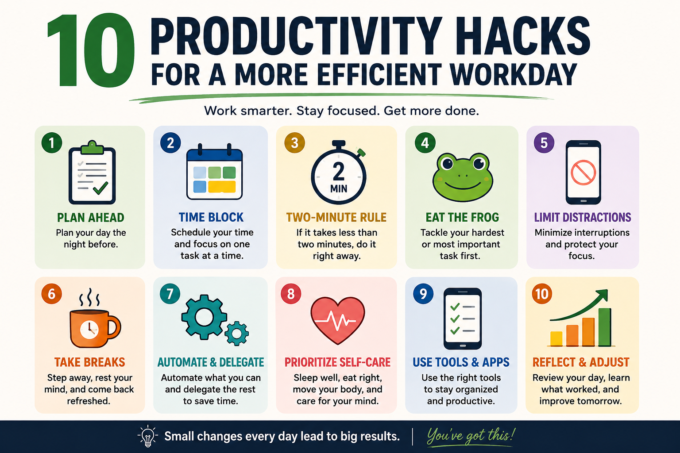
A productive morning starts the night before. I have realized that if I don’t establish a proper bedtime routine, the next day will feel rushed, even before it begins.
So, among others, I do three simple things before heading to bed.
First, I tidy up my space. I clear my desk and put away anything that might stress me out in the morning. Waking up to a clean space makes me feel like I’m starting fresh.
Second, I prepare my outfit. You can incorporate this into your weekend routine, but if not, this is the perfect time to set out your clothes and shoes. You can also decide what you’ll have for breakfast. The fewer decisions you have to make in the morning, the better.
Lastly, I spend about five minutes writing in my gratitude journal. I jot down three good things that happened that day. It could be as small as the warm cup of cocoa I had in the morning or a task I completed successfully.
On the hard days, going through this list reminds me there’s still something worth holding on to.
Then I head to bed early. That sets me up to wake up early the following day.
2. Wake Up Early
I’m not one of those 4:00 a.m. kind of people. That has never worked for me. What I noticed is that consistency beats extremes.
Find a time that is early enough to give you a quiet start to the day, but not so early that you struggle to keep up during the day. That sweet spot for me is 6:30 a.m. Since I work from home and don’t have to commute, I’m usually at my desk by 8 a.m.
The secret is going to bed at a reasonable hour, and once you establish a consistent rhythm, your body will begin to adjust on its own.
In the morning, no snoozing the alarm or “just 10 more minutes”. Once I’m up, I stick to it. Over time, it’s become less of a struggle and more of a habit.
3. Move Your Body

Moving your body is the best way to shake off the sleepiness. On good days, I’ll do a full-body workout. Nothing complicated; push-ups, planks and weights.
If a workout doesn’t fit into your morning, that’s fine. You can always swap it for something lighter, like a yoga stretch or a stroll around the block.
The goal is to move your body. This loosens stiff muscles and boosts your mood.
4. Hydrate
Many health experts recommends drinking plenty of water. It’s one of the simplest habits to add to your routine, but honestly, it makes a huge difference. I drink a glass of water even before thinking about coffee.
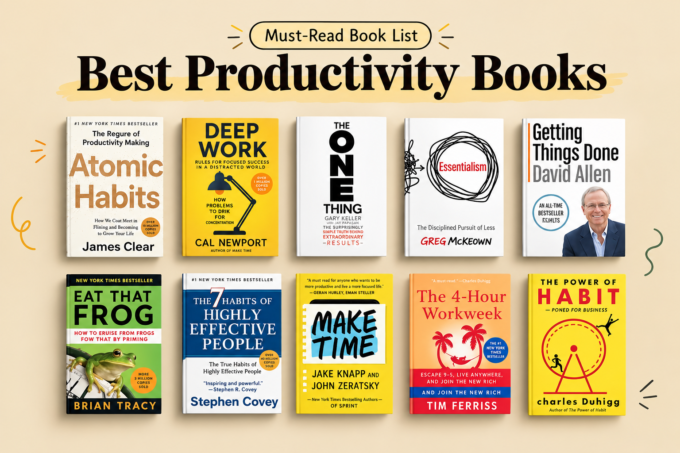
In his book, Atomic Habits, James Clear recommends making a habit visible if you’re to stick to it.
I have a water dispenser by my bedside and work desk, so there are no excuses. You can add a squeeze of lemon for flavor, but plain water works just fine.
Hydration first, caffeine later; that’s my rule.
5. A Cup of Coffee or Tea
This is the part that feels more like a ritual. When I sit down to work, I grab a warm cup of tea. For some, it’s coffee; for me, it’s always tea. For you, it could be cocoa. The caffeine helps, but more importantly, it’s the calm moment that comes with it.
This is also the part where you should have a healthy breakfast. I’m an OMAD (one meal a day) person. Instead of a full breakfast, my beverage is my morning companion. It gives me enough lift to keep me sharp but not too much to weigh me down.
Not everyone will skip breakfast, and that’s fine. If eating in the morning works for you, make it light and nourishing. On the days I decide to have breakfast, eggs, oats, bacon and fruits.
6. Journal

An evening journal works perfectly for me, but so does a morning journal. I’ll take a few moments to make a quick to-do list or brain dump everything. It doesn’t have to be neat; it’s simply a space to let my thoughts spill.
The act of putting pen to paper gives me clarity. And what’s more beautiful is that the page doesn’t judge, it listens. So, you can write whatever it is you want. The things you are grateful for, or your goals and worries.
With time, you’ll realize how light and clear your mind gets after journaling.
7. Plan for the Day
After journaling, the next step is to map out your day. Some people prefer to do this the night before, and that works great too. But you can also do this in the morning.
You can plan your day using various time management techniques. A few of my favorites include:
- The Pomodoro technique, where you work in short, focused bursts, typically 25 minutes, with breaks in between.
- Time blocking, where you split your day into chunks dedicated to specific tasks.
- Prioritization frameworks, such as the Eisenhower Matrix, help you decide what’s important, what you can delegate, and what’s not worth your time.
Find a system that matches your energy and workload. You can switch and try out different techniques, as no day is the same.
8. Eat the Frog
Whatever technique you settle for, remember to eat the frog. This means you tackle the biggest, ugliest and, most challenging task first, then the rest of the day will feel lighter.
It’s tempting to start with the easy stuff, but such tasks don’t move the needle. When you delay the tough task, it will linger in the back of your mind all day.
Your frog will look different each day. Today could be writing a blog post, and tomorrow could be making a difficult phone call. Whatever it is, get it done first. Once you’ve eaten the frog, the small tasks become easier.
Be Flexible
There you have it, simple and practical steps to create a morning routine that serves you, not the other way around.
The key is to be flexible. Missing one step doesn’t mean you erase the entire routine. Just pick up where you can and keep going.
You don’t have to copy my routine exactly. Pick what works for you and leave what doesn’t. With time, it will serve you better and better.