If you had to buy groceries at the local store, you’d probably get milk, eggs, and whatever else you need so you don’t keep running back and forth all day. One trip to sort everything out.
That’s pretty much how task batching works. Instead of jumping between calls, emails, messages, and reports all day, you group all similar tasks together and knock them out in one focused block.
It’s a simple shift that gets you more done in less time and effort.
What is Task Batching?
Task batching is a productivity technique that lets you group related tasks and handle them in one focused session instead of spreading them out. By doing this, you cut down on the time and energy used to switch between the tasks if done separately.
It’s draining to write a report, jump on a call, and then go back to writing again. You eliminate the constant back and forth when you batch tasks.
But task batching shouldn’t be confused with multitasking. Multitasking is trying to juggle different types of work at the same time. With task batching, you give one category of work your full attention and finish it before moving on.
Why Task Batching Works
Task batching is a simple concept with huge results. Its success comes from a few key factors.
1. Eliminates Context Switching
Your brain has to shift gears every time you switch from one task to another. When you go from writing to answering a call, your brain pauses and rests to refocus.
This may not seem like something big, but if you multiply all the little switches you make in a day, you realize you’re losing hours.
Task batching cuts this waste. You remain in one lane long enough to get things done. Same tasks, same time, but you get much more done.
2. Builds Momentum
Starting is the hardest part, but once you begin rolling, the next tasks feel easier, and each one almost takes care of itself.
Task batching helps you build this momentum. Grouping similar tasks together gives you the rhythm to cruise them faster than if you tackled them randomly throughout the day.
3. Boosts Focus
Your productivity is highest when you are fully locked in. But you can’t do that when you are juggling five different tasks simultaneously.
Task batching gives your mind one type of task at a time and keeps distractions away. You give your work full attention without getting pulled in different directions.
4. Reduces Decision Fatigue
Every choice you make burns a little mental fuel. At the end of the day, the small decisions add up and leave you drained.
Task batching removes the constant need to decide what’s next. Once you group your work into batches, all you need to do is show up and follow the plan.
How to Start Task Batching
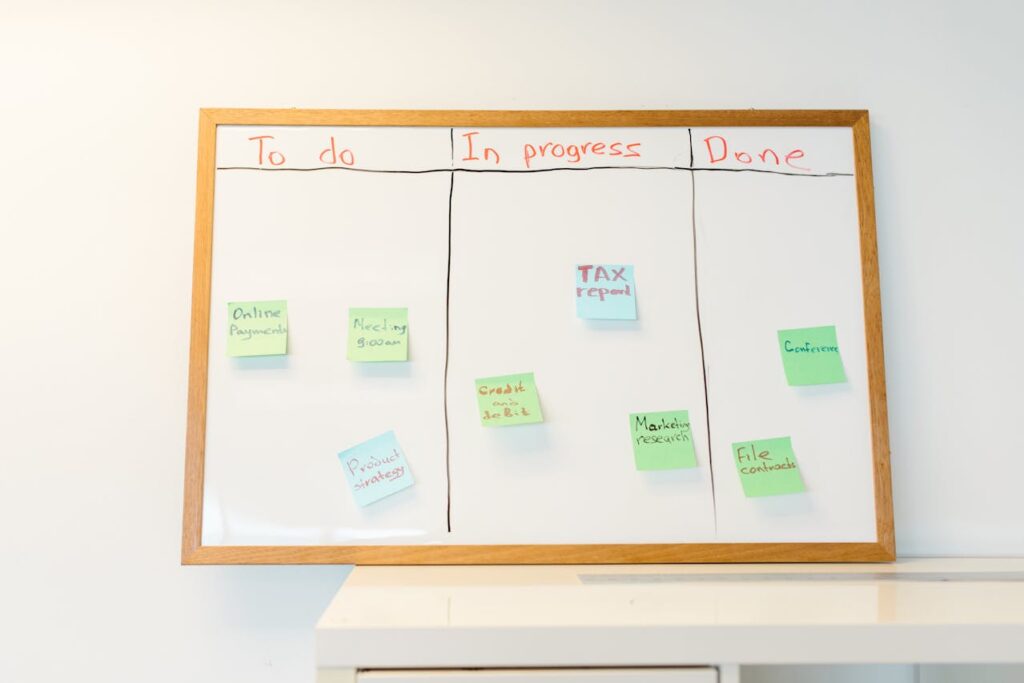
It’s one thing to know why task batching works, it’s another to build it into your day in a way that sticks. Here’s how to do it.
1. Spot and Group Similar Tasks Together
The first step is to look at your day and try to notice any patterns. Chances are, you are doing the same tasks over and over. Now, instead of sprinkling these randomly throughout your schedule, gather them into one focused block.
It’s easier and better to write three emails at once instead of writing one, switching to a call, and then trying to get back to the remaining two.
2. Block Time on Your Calendar
After grouping similar tasks together, the next step is to give them a home in your schedule. Otherwise, you’ll end up squeezing them between other things, or worse, pushing them aside altogether.
Divide your day into time blocks. For instance, writing a report from 8 to 10 a.m., client calls at 12 p.m. and creative work from 3 p.m. As soon as the clock hits that time slot, you already know what you need to be doing.
Time blocking reduces friction. You don’t waste energy deciding what to do now. That decision has already been made.
To make your time blocks realistic, start small and build from there. Have 30 minutes for deep work instead of 4 hours.
3. Protect the Time
Like you wouldn’t casually skip a doctor’s appointment, don’t let your batching blocks slide. It’s tempting to let ‘urgent’ and ‘quick’ tasks sneak in, but that’s the easiest way for a batch to fall apart.
This is your focus time, so make it clear to yourself and others. Silence notifications and close the extra tabs.
The more you protect your time, the easier you turn batching from an idea into a habit.
Also Read: The Eisenhower Matrix: Urgent Vs. Important
4. Review and Adjust
No system is perfect, and the same goes for task batching. At the end of the week, take a few minutes to reflect.
What batches felt productive, and which ones were forced? Maybe your creative work slot feels better in the morning than in the afternoon, or maybe your email batch is too long.
Use habit tracking apps to track this data and fine-tune to what suits you best. Over time, you’ll find the perfect rhythm to match your energy and workload.
Tips For Task Batching
Like any technique, the magic of task batching is in the details. A few smart tweaks can make the difference between a clunky system and one that sticks.
1. Pair it With Time Blocking
Time blocking makes batching stick. Task batching tells you what tasks to group while time blocking gives those groups a home on your calendar. That means you don’t waste energy deciding what to do.
Time blocking also protects your focus. You remove distractions and let other people know you are busy.
2. Start Small
Don’t go all in when you’re starting out. You’ll likely get overwhelmed and frustrated.
Start small and simple. Pick one or two categories, like calls and emails, and practice batching them consistently.
You can expand gradually once you build confidence and get into the rhythm. Your brain adjusts and your workflow becomes smoother.
Starting slow makes task batching manageable and increases your chance of sticking with it.
3. Batch Low-Energy Tasks Together
Not every task will use the same level of brainpower. Updating spreadsheets and filing documents are low-energy tasks that don’t require deep focus or much creativity.
Batch them together with other light tasks like answering routine emails and sending invoices. This way, you are preserving your productive hours for tasks that require a lot of focus.
You group these tasks together and handle them in one go. When you sit to focus on high-energy tasks, you are sure they will not creep in.
4. Leave Room For Breaks
While task batching makes you highly productive, don’t be tempted to overload your schedule. Packing tasks back to back will make you burn out quickly.
Instead, leave space for breaks between your batches, even if it’s 5 to 10 minutes. Stretch, grab a glass of water and stroll around. Stay away from your screen so you can recharge your mind.
Remember breaks are part of the process, and not wasted time. You’ll return to work with more energy and creativity and a better ability to sustain productivity throughout the day.
Save Time and Energy
Task batching works because it strips away the distraction and builds momentum. It helps you use your energy where it counts the most. By grouping tasks together, you create a rhythm that feels both sustainable and productive.
So if you often feel scattered or stretched too thin, consider task batching. You’ll be surprised at how much time and energy you save.