You are not lazy. You simply exist in a world engineered to distract you. The apps on your phone, the tabs on your laptop– most are designed to pull your attention and keep it there. That’s why staying focused feels like swimming against the current.
But with the right habits and a few small adjustments, you can tilt the odds back in your favor.
Let me share the same strategies I use to take back control of my time and actually finish what I start?
1. Identify Your Biggest Distractions
You cannot fight what you don’t see. That’s why the first step to beating distractions is identifying where your attention goes.
After paying attention to my habits, I realized I lose loads of my time to the ‘quick check’ on Instagram and Pinterest. Do the same. Use a habit tracker to observe every time you get pulled away from what you’re supposed to be doing.
Don’t judge yourself; just observe. And once you find out where your focus slips, you can start putting measures in place to curb it.
2. Redesign Your Environment

Your environment shapes how focused or distracted you are. A cluttered desk or constant background noise can pull your brain away from the task at hand.
And the challenge is even greater for those working from home. The couch, the TV, and the dirty dishes all compete for your attention.
Tweak your environment to make it easier to stay in the zone.
Start with the basics: clear your workspace by taking away every distraction and keeping only what you need.
Carve out a dedicated workspace. It doesn’t need to be fancy. Even a small corner with a chair and table that you use only for work is enough. Every time you sit in that chair, your brain switches into focus mode.
Don’t forget about the noise. Many people work best in silence. Other people prefer low background sounds like soft music. Tune your noise level to what makes you feel most centered.
The point is to create an environment that works for you. If any distraction exists, then it’s by design.
3. Master Your Time
It’s easier to get distracted if your time is unstructured. You are more likely to reach out for your phone when your day is wide open without a real plan. Use the different time management techniques to structure your time.
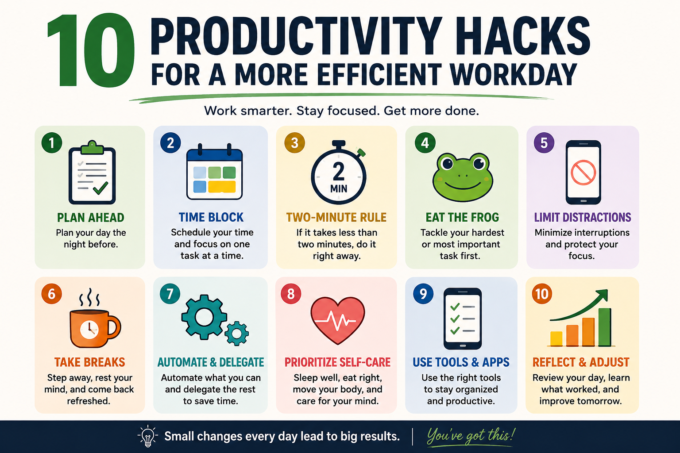
Time blocking assigns chunks of time to specific tasks in your day. It lays out your schedule hour by hour and makes it difficult for distractions to sneak in.
The Pomodoro technique is for those who struggle with long stretches of focus. You work for 25 minutes, then take a 5-minute break. The short sprints keep your brain engaged and prevent burnout.
Then there’s the Eat That Frog technique, where you tackle the biggest, ugliest, and most important task first thing in the day. Once you have that out of your way, everything else becomes lighter and easier.
The beauty of these strategies is that they don’t limit you to one method. You can mix and combine different techniques to suit your workflow.
Personally, I use Eat That Frog to kick off my biggest task, then switch to Pomodoros for steady progress through smaller ones.
4. Take Advantage of Tech
Technology gets a bad rap in terms of distractions, and rightfully so. Social apps and endless notifications keep you from what truly matters. But the same tech can also be a powerful weapon to fight distractions.
Focus apps are specifically designed to keep you on task and block distractions. Some will blacklist apps and websites during work, while others, like Forest, turn focus into a game.
You don’t have to ditch technology altogether to get things done. Instead, make it work for you and not against you.
Similarly,Pomodoro timers are excellent assistants if you opt for the Pomodoro technique.
5. Set Boundaries

At times, the hardest distractions aren’t apps or websites; they are people. A colleague popping in for a “quick question” or a relative who assumes that just because you are working from home, you are always available.
People’s priorities will constantly invade your focus time, and because of this, you need to set clear boundaries.
Communicate openly and let those around you know when you are unavailable. Even small cues like wearing headphones will signal to co-workers that you are not to be disturbed.
And not just other people, you also need boundaries with yourself. That means sticking to the rule that Netflix is only after work and resisting every urge to check your phone.
6. Build Habits That Stick
Staying on task becomes the default when you consistently build habits and environments that support focus.
Start small. Maybe make it a habit to commit to working distraction-free for 30 minutes each morning. Or maybe commit to putting your phone in a different room before you begin work.
The more you repeat these habits, the less effort it takes to stay focused. And over time, they become part of your routine.
7. Reward Progress
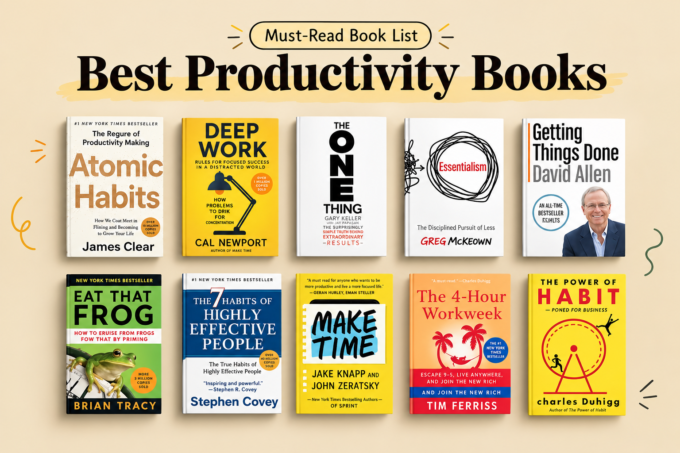
In his book, Atomic Habits, James Clear mentions that the reason why distractions are tempting is that they offer instant gratification. Watching a movie and eating junk food feel rewarding at the moment.
Working out or building a business doesn’t give you instant results. You need to build and wait for months, even years, before you start noticing results.
For that reason, instead of waiting until you finish a huge project, celebrate the smaller wins along the way. Treat yourself to a morning coffee and crepes after getting through your frog task. Or take a walk after successfully completing a focus session.
Turn progress into something that feels rewarding, and you’ll stop seeing it as a chore but rather a rewarding activity.
8. Get Sufficient Rest
How do you spend your evenings after you shut your laptop? It’s okay to watch a movie or go through your Instagram feed. But what’s more important is having an evening routine that helps you unwind.
Prioritize sleep like you would any important meeting. And make sure to step away from a screen at least an hour before bed.
This way, when you wake up, you have the energy and clarity to focus without fighting fatigue.
Progress Takes Time
You won’t master beating distractions overnight. It’s a process of trial, error, and constant adjusting.
Some days you’ll nail it and stay laser-focused. Other days, not so much, and that’s fine. What matters is that you keep coming back and protecting your attention a little more each time.
So, don’t be too hard on yourself. With time and consistency, distractions won’t have nearly the same pull on you.