Skills can be taught, processes can be explained, and software can be learned. But reliability is difficult to develop, which makes work ethic one of the most valuable professional qualities you can develop.
It’s not about being glued to your laptop and answering emails at midnight. It’s about how you approach your responsibilities when no one is watching.
What is work ethic, and what qualities determine it?
What Is Work Ethic?
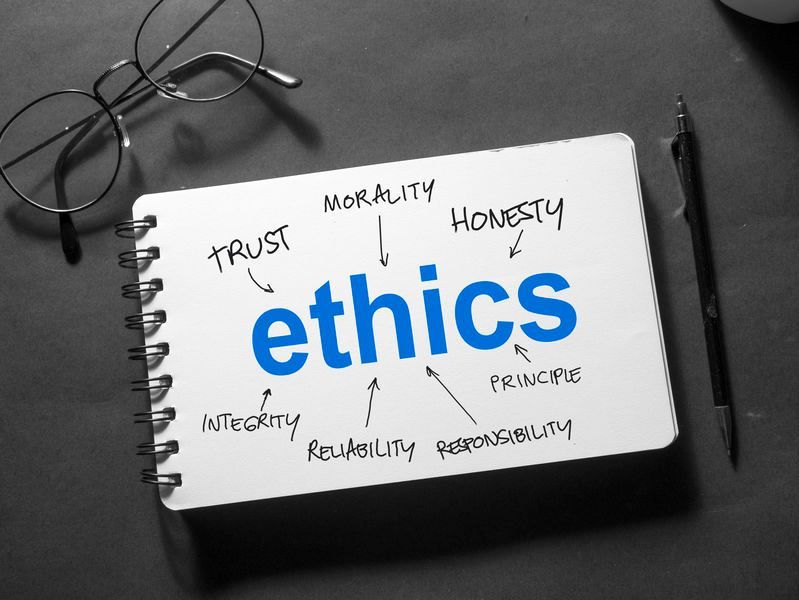
Work ethic is the set of values and attitudes that shape your approach to work and responsibilities. It’s the difference between doing a task because you have to and doing it because you care about the quality of the outcome.
Work ethic determines whether you’ll show up on time, meet deadlines, and put genuine effort into what you do.
In most cases, it’s not tied to intelligence or talent. You’ve probably met incredibly talented people who struggle to follow through on basic commitments. At the same time, there are average performers who’ve earned respect because they’re hardworking and dependable.
A strong work ethic shows itself in the small things. It’s completing a project without the need for constant reminders. It’s showing up to a meeting at the agreed time. It’s resisting the temptation to cut corners, even when nobody would notice.
It’s also important to understand what work ethic isn’t. Work ethic doesn’t mean working overtime and sacrificing your personal life. It doesn’t mean saying yes to every request.
If anything, people with the strongest work ethics often set boundaries and manage their time effectively.
Also Read: What Is Workplace Culture? Beginner’s Guide
Characteristics of a Strong Work Ethic
There’s no single trait that defines work ethic. It’s a combination of attitudes and behaviors that influence how you approach your responsibilities.
Here are some of these traits.
1. Reliability
Reliability sits at the heart of a strong work ethic. The people who are most trusted at work are those who consistently do what they set out to do. When they commit to a task, you don’t need to ask for updates because you know they will deliver. That’s reliability.
Reliable people show up on time and meet deadlines. They communicate when unexpected challenges arise and follow through on promises. Everyone knows they can count on them because they have a track record of consistency.
Collaboration also becomes easier when team members know they can depend on each other. Projects move forward more smoothly and work gets done more efficiently.
2. Accountability
Not everything will go as planned all the time. Things simply go wrong despite our best efforts. Deadlines will get missed and clients’ expectations may occasionally fall short.
What makes people with a strong work ethic stand out is how they respond to such situations.
Accountability means taking responsibility for your actions and results. Accountable people don’t point fingers or make excuses. Instead, they own their role and focus on fixing the problem.
Accountability is the foundation of personal and professional growth. After all, you can’t improve something you’re unwilling to own.
3. Professionalism
Professionalism has very little to do with appearance and everything to do with behavior. It’s about conducting yourself in a way that earns the respect and confidence of others. It’s how you communicate, interact with coworkers and present yourself in the workplace.
A professional person remains respectful even during disagreements. You communicate clearly and courteously. You understand that your actions affect the people around you as well.
Equally important, you respect other people’s time and opinions. You listen actively and treat everyone with fairness regardless of their position.
People love working with professionals because they create positive environments and make collaboration easier.
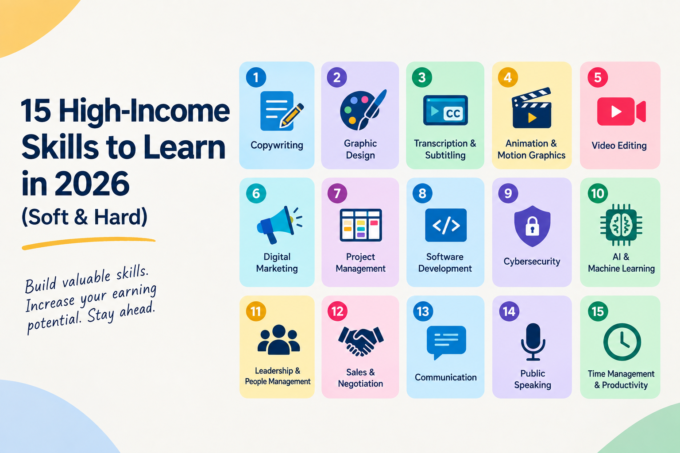
4. Time Management
Some people stay organized and remain productive while others are constantly rushed and overwhelmed.
Time management is the ability to plan and use your time effectively. You don’t need to squeeze every second out of the day. Instead, you should prioritize your time on things that matter the most.
Having a strong work ethic means understanding that time is one of your most valuable resources. So, instead of constantly reacting to whatever appears in front of you, you decide where your attention should go.
You set realistic schedules and break large projects into smaller tasks. You avoid the temptation to procrastinate and focus on your work.
Time management is a reflection of discipline and respect. And when practiced consistently, it becomes one of the clearest signs of a strong work ethic.
5. Flexibility
Things will not always go according to plan, no matter how carefully you plan. Projects will change direction and deadlines will move. Team members will leave and new priorities will emerge.
That’s why flexibility is a key part of work ethic. A flexible person adjusts when circumstances change without getting frustrated.
You’re always open to new ideas and capable of handling unexpected challenges. You understand that change is a normal part of work life. Instead of resisting it, you look for a way to adapt and move forward.
Importance of Work Ethic

Here are some of the biggest reasons why work ethic matters.
1. Builds Trust and Reliability
Trust is a valuable asset you can earn in any workplace, and a strong work ethic is one of the fastest ways to build it.
People begin to see you as dependable when you consistently show up on time, meet deadlines, and produce quality work. They know they can count on you without constant reminders or supervision.
Managers are more likely to assign you important projects, and coworkers are more willing to collaborate.
2. Contributes to Long-term Career Growth
Career success is rarely the result of one great performance or one lucky opportunity. More often, it’s the result of consistently showing up, doing quality work, and earning the trust of the people around you.
Over time, these consistent efforts compound. Ultimately, can lead to significant career advancement.
Work ethic may not produce overnight success, but it creates the foundation for lasting professional growth.
3. Improves Workplace Relationships
Workplaces run on relationships and etiquette.
No matter how talented you are, your ability to collaborate with others often plays a major role in your success.
A strong work ethic helps strengthen those relationships by making you someone people enjoy working with and can depend on.
When you’re reliable, accountable, and professional, you make life easier for the people around you.
Coworkers don’t have to worry about whether you’ll complete your portion of a project. Managers don’t have to constantly check in on your progress. Clients feel confident that you’ll deliver on your promises.
4. Leads to Better Performance
People who consistently show discipline, responsibility, and commitment are more likely to produce high-quality results than those who rely solely on talent or motivation.
A strong work ethic encourages habits that naturally improve performance. You plan ahead instead of rushing at the last minute. You pay attention to details. You stay focused on important tasks. You take ownership of mistakes and learn from them rather than repeating them.
These habits create better outcomes over time.
With a strong work ethic, you are likely to outperform individuals who may be more naturally gifted.
Small, Consistent Habits
You don’t master work ethic in a single day. It’s a collection of small choices you make every day.
The good thing is that you don’t have to be the smartest or most talented person in the room to develop it.
Through consistent habits, accountability, discipline, and a willingness to improve, anyone can strengthen their work ethic over time.