You can be excellent at your job yet still leave a bad impression. That’s because you constantly ignore workplace norms and interrupt colleagues. The way you interact with others matters just as much as the work you produce.
Want to be someone people enjoy working with? Start here.
What Is Workplace Etiquette?
Every workplace has its rules. Some are written down in handbooks, while others are informal, yet everyone still follows them.
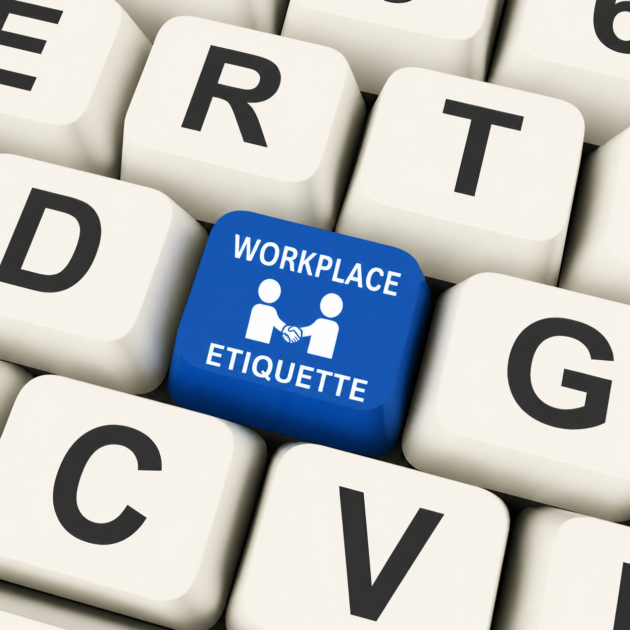
Workplace etiquette refers to the accepted standards of behavior that guide how people interact and conduct themselves at work. It covers everything from how you behave in meetings and handle disagreements to how you communicate with colleagues and respond to emails.
It’s the social glue that keeps a workplace running smoothly. Without it, misunderstandings would increase and collaboration would be more difficult.
Having good workplace etiquette is just as valuable as technical skills. Because no matter how talented you are, success often depends on your ability to work effectively with other people.
Workplace Etiquette Rules
Understanding what etiquette means is one thing, putting it into practice is another. Here are the top workplace etiquette rules to keep in mind.
1. Be Punctual
It may seem like a small thing, but being punctual says a lot about your professionalism. It may be arriving at work, joining a meeting or meeting a deadline.
Being punctual shows that you take your responsibilities seriously and that you respect other people’s time.
Of course, the unexpected occasionally happens – traffic, emergencies, and life. In such circumstances, communicate early that you may be late and apologize for the inconvenience.
Consider setting reminders and leaving earlier than usual before important meetings. A few minutes of preparation can save you lots of unnecessary stress.
2. Communicate Clearly
A lot of problems in the workplace can be solved by clear communication. Unclear instructions and misunderstood expectations can create confusion and frustration.
Aim to be direct and concise when sharing information. Ensure you express yourself clearly and include all the important information.
Also, pay close attention when others communicate with you so you fully understand what they’re saying.
Good communication helps teams work more efficiently and prevents small misunderstandings from turning into bigger issues.
3. Dress Appropriately
You’ve probably heard this rule a million times already: dress appropriately.
But dressing appropriately doesn’t necessarily mean wearing a suit every day. It means understanding your workplace culture and choosing clothing that reflects your role.
What works in a law firm may be different from a music studio. The idea is to look neat and well-groomed to show that you take your role and your work environment seriously.
When in doubt, you’re better off overdressing than underdressing.
4. Be Respectful
Respect is paramount. Every workplace brings together people with different backgrounds and personalities.
You won’t always agree on everything, but you must still treat your colleagues with courtesy and professionalism. That means listening when they speak, considering their viewpoints, and treating everyone with dignity regardless of their position.
A respectful attitude creates a positive work environment for everyone.
5. Handle Conflicts Professionally
When many people with different opinions and personalities work together in one setting, disagreements are inevitable. What matters isn’t whether conflicts happen, but how you respond to them.
Don’t let frustration dictate your actions. Heated arguments rarely solve problems. Handling conflicts professionally means focusing on the issue rather than attacking the person.
Listen to the other people’s perspectives and work toward a solution that benefits everyone involved.
6. Prepare for Meetings
One of the reasons why meetings become unproductive is that people show up unprepared. Arriving without understanding the agenda or gathering the necessary tools can waste valuable time for everyone involved.
Spend a few minutes before the meeting to review the agenda and prepare any questions or information you may need to share.
It demonstrates professionalism and shows respect for the time others have invested in attending.
7. Shared Spaces
Workplaces become more comfortable when we treat shared spaces with consideration.
The kitchen, break room, and printer station are all areas used by multiple people throughout the day. You easily frustrate others when you make excessive noise or leave a mess behind.
Small actions make a huge difference. Clean up after yourself and return items where they belong. Keep common areas tidy to create a more pleasant environment for everyone.
8. Workplace Boundaries
Just because you are close with your workmates doesn’t mean you pry into their personal lives.
Workplace relationships work best when people respect each other’s space and privacy.
Recognize that workers have different work styles. Some enjoy frequent collaboration while others need uninterrupted time to perform at their best.
Understanding and respecting these differences helps create a healthier and more productive environment for everyone.
9. Be a Team Player
Most workplaces run on collaboration. It doesn’t matter how independent or skilled you are, being a team player means working with others.
It means you are willing to help when needed and open to feedback. You share credit where it’s due and are open to doing things differently.
Trust in teams grows when people know they can rely on each other. You naturally become someone others want to work with when you’re always open to supporting them.
10. Digital Etiquette
A large part of today’s workplace exists on screens. You’ll be sending emails, joining video calls, or collaborating through project management tools.
Your digital behavior is just as important as your face-to-face interactions. So, it’s important to take time before hitting send.
A rushed reply can result in an unclear message that can create confusion. Constant notifications can also create distractions from work.
Good digital etiquette means being thoughtful about how you communicate. Choose the right communication channel and keep messages clear and professional.
Respond within a reasonable timeframe and respect other people’s time and attention.
Be Considerate
Workplace etiquette isn’t about trying to appear perfect. It’s about making the workplace better for everyone through respect, consideration, and professionalism.
Respect boundaries, communicate professionally, and be considerate when using shared space. Everyone is simply trying to do their best and earn a living.