Some days you glide through work with ease. Other days you panic, miss deadlines, and it feels like you don’t know what you’re doing.
The difference between these two days, more often than not, is having a reliable system for managing your tasks.
Task management is the foundation of how individuals and teams turn ideas into completed work.
In this guide, we break down what task management is, why it matters, and how to build a system that helps you stay organized.
What Is Task Management?
Task management is the process of planning, organizing, prioritizing, tracking, and completing tasks to achieve a specific goal.
It’s making sure the right work gets done at the right time, without important tasks slipping through the cracks.
A task can be anything from replying to an email and scheduling a meeting to writing a report, paying bills, or launching a new product.
And not just the workplace, it plays a role in nearly every aspect of daily life. You can use it to organize house chores or prepare for an exam.
Having a reliable task management system in place means spending less time wondering what to do next and more time making steady progress toward your goals.
Why Is Task Management Important?
Task management serves a number of benefits. Here are the top ones.
1. Keeps Work Organized
Tasks have a way of piling up if you don’t have a clear system. Meeting notes disappear into a journal, and that “I’ll do it later” task is suddenly overdue.
Task management brings everything together in one place. It gives you a clear overview of what needs to be done, when it’s due, and who’s responsible for each task.
Such kind of visibility makes it easier to plan your day and keep track of progress.
2. Helps Meet Deadlines
Missing deadlines is often the result of poor planning or losing track of what needs to be done.
Task management breaks work into smaller, actionable steps. It attaches realistic due dates to each task and makes deadlines easier to manage.
You no longer need to scramble to finish everything at the last minute. You can see upcoming deadlines well in advance and prioritize your workload accordingly.
Many task management software also come with reminders and progress tracking, making it less likely for important responsibilities to slip through.
3. Improves Productivity
Productivity is rarely ever about being busy all day. It’s about spending time on important tasks that move you closer to your goals.
It’s easy to waste time on low-priority work while neglecting important responsibilities. Task management removes this uncertainty and gives you a clear roadmap for your day.
You know what needs your attention, what can wait, and what you’ve already completed.
This helps to reduce decision fatigue and maintains momentum instead of constantly stopping to figure out your next move.
4. Makes Collaboration Easier
Task management becomes even more important when multiple people are working toward the same goal.
A good task management software gives everyone visibility into the work being done. Team members can see who’s responsible for each task, what stage it’s in, when it’s due, and whether anything is blocking progress.
It also improves communication and accountability. Instead of relying on lengthy email threads, updates can be attached directly to the relevant task.
Everyone stays on the same page and projects keep moving forward.
Best Practices for Effective Task Management
Getting the most out of a task management system requires good habits. The way you organize and prioritize your work directly impacts how productive and efficient you are.
These best practices will help you manage your workload effectively.
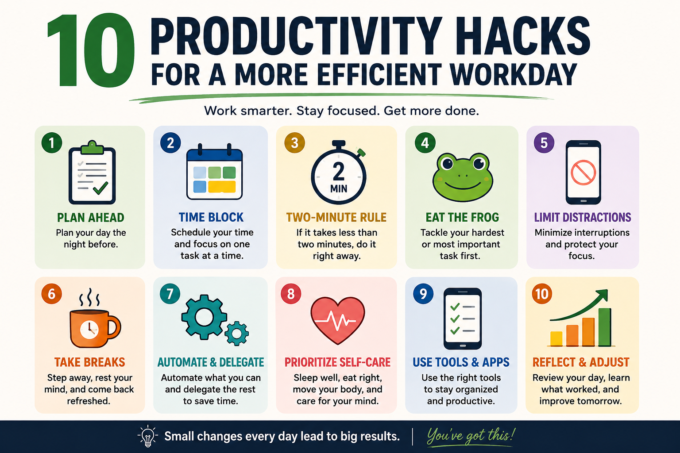
1. Break Down Large Tasks
Large tasks can feel intimidating. Seeing a massive item on your to-do list often makes it difficult to know where to begin. It creates uncertainty which leads to procrastination. A good trick would be to divide the project into smaller, actionable steps.
Smaller tasks are easier to understand and complete. They provide a sense of progress and you can check them off one by one.
Rather than facing one overwhelming objective, you complete the next achievable step until the project is finished.
2. Prioritize Daily
Priorities change. A task that was important yesterday may be overtaken by a looming deadline or an unexpected meeting.
That’s why it’s a good idea to review and prioritize your tasks every day instead of relying on a list you created days or weeks ago.
At the end or beginning of each workday, identify tasks with the biggest impact and focus on these first. This makes you spend your time on meaningful work instead of simply reacting to whatever demands your attention first.
3. Set Realistic Deadlines
Deadlines lose their value when they are unrealistic. If you set an impossible deadline, you’re likely to rush through your work and end up disappointed when you don’t meet your expectations.
Consider the complexity of a task when assigning deadlines. How many resources do you have and are there any dependencies that could affect progress?
If a project involves multiple steps or several people, allow enough time for reviews, revisions, and unexpected delays.
Realistic deadlines create a healthier workflow and make it easier to deliver projects on time without relying on last-minute sprints.
4. Avoid Multitasking
Multitasking doesn’t make you more productive. Your brain needs time to refocus every time you shift your attention from one piece of work to another.
These frequent interruptions reduce productivity, increase mistakes, and make even simple tasks take longer than they should.
The proper thing would be to focus on completing one task before moving on to the next.
If you have multiple priorities competing for your attention, schedule dedicated time for each one rather than trying to work on everything simultaneously.
5. Review Your Task List Regularly
You don’t create a list once and forget. Your list should evolve as your priorities shift and new responsibilities arise.
Set aside a few minutes each day, or at least once a week, to review your tasks. Mark completed work, update deadlines, and remove items that are no longer relevant.
This simple habit keeps your task list accurate and ensures you’re always working from the latest information.
Working With Purpose
Ultimately, task management creates a system that helps you stay organized and ensures that the things that matter most don’t get lost in the shuffle.
When you manage your tasks well, staying productive becomes less about working harder and more about working with purpose.