In 1918, a productivity consultant walked into a meeting with Bethlehem Steel president Charles M. Schwab and made a bold promise:
All I need is 15 minutes with your managers, and I’ll show them how to increase productivity.
That man was Ivy Lee, and a century later, his technique remains widely used today.
Where other techniques are about doing more, the Ivy Lee method is about doing less but better.
Here’s a breakdown of how it works and how you can start using it today.
What Is the Ivy Lee Method?
The Ivy Lee method is a productivity technique that is based on a simple principle: Decide what matters most before your day begins, and focus on it one task at a time.
It was created in 1918 by Ivy Lee after he was approached to help Bethlehem Steel improve efficiency.
This a step-by-step routine on how the technique works:
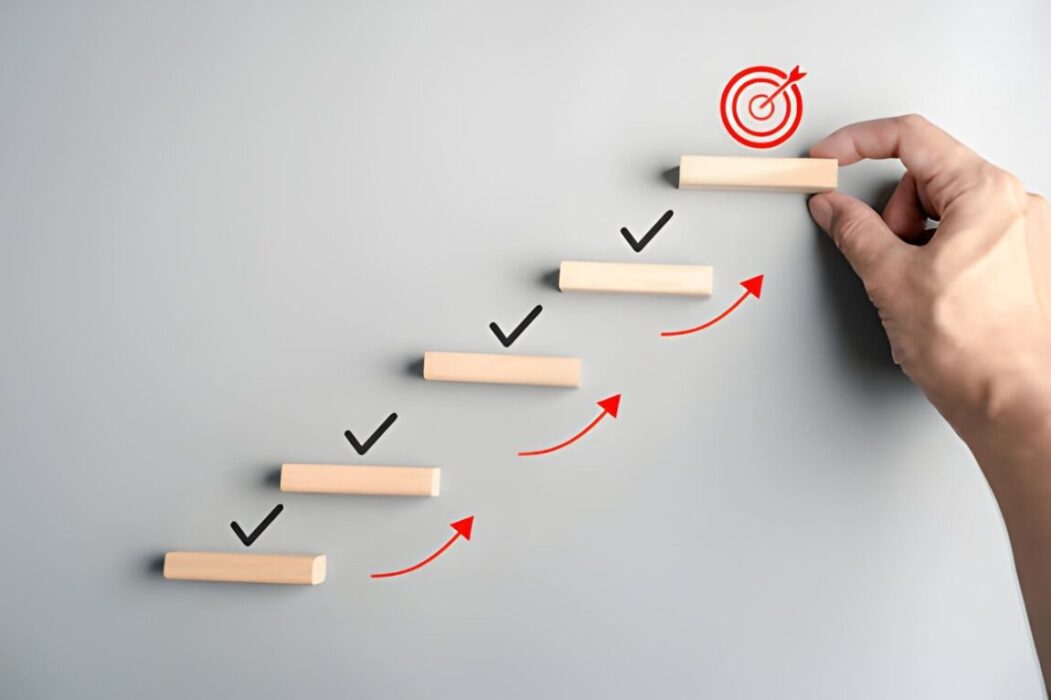
1. Write Down Six Important Tasks
At the end of the day, take five minutes and identify six tasks that matter and that you’ll work on the following day.
They shouldn’t be busywork, but important tasks that move projects and goals forward.
Limiting the list to six forces constraint, and this constraint forces clarity.
2. Prioritize
Once you have your list, rank them.
To determine their importance, ask yourself: If I could only complete one task, which one would it be? That’s task #1.
Then repeat the process for tasks two and three.
Prioritizing them according to their importance eliminates morning indecision. You won’t waste time and energy figuring out where to start. You make this decision the night before.
3. Work on Task #1
The following day, begin with task #1.
Since your focus is sharpest in the morning, you want to use your best mental energy for your most meaningful work. Anything else can wait until later in the day when your energy is lower.
Remain on the task until it’s complete or you’ve taken it as far as realistically possible for the day before moving on to something else.
4. Work Down the List in Order
Now move to the next task, and then the next, and repeat the cycle until you’re done for the day.
This single-task approach minimizes mental fatigue because your brain has to reorient every time you jump between tasks.
You get more done with less stress by staying linear instead of scattered.
Why the Ivy Lee Method Works
At its core, the Ivy Lee Method works because it shifts you from reacting to deciding. You decide what matters beforehand and then walk in with a plan.
1. Eliminates Decision Fatigue
You make hundreds of tiny, little decisions every day.
- What should I start with?
- Is this more important than that?
- Should I answer this email?
It may not feel like it at the moment, but these micro-decisions drain mental energy. And by evening, you are already tired without completing any meaningful work.
The ivy Lee method removes this friction. You’ve already decided what tomorrow looks like. So, you wake up and execute.
2. Forces Ruthless Prioritization
Most of us have a priority problem.
The cardinal rule is that when everything feels important, nothing is.
You confront reality when you limit yourself to six tasks a day. Six is uncomfortable enough to make you choose carefully, but manageable enough to complete.
Your productivity needs this kind of balance.
3. Encourages Deep Work
Multitasking feels efficient, but it’s not. Your brain pays every time you switch tasks. Plus, you lose momentum, and you’ll need time to reorient.
Do this over 20 small interruptions and your day quietly fragments.
The Ivy Lee method makes sure you complete one task before moving on to the next. You build momentum, which in turn produces high-quality work in less time.
4. Reduces Overwhelm
You’ll likely be overwhelmed by two things:
- No clear starting point
- Too many loops in your head
By writing tomorrow’s tasks, you close the mental loop before you sleep. Your brain can now relax because it knows there’s a plan for the next day.
When morning comes, you don’t waste energy deciding from a vague cloud of responsibilities. You simply face one single task at a time.
That’s manageable.
How to Get Started With the Ivy Lee Method
One good thing about the Ivy Lee method is that it’s insanely easy to start. You don’t need any complicated tools, or a fancy notebook. Just the zeal to do it.
Here’s how you can incorporate the Ivy Lee method into your workday.
Step 1: Pick Your Tool
Start with whatever you have; that’s the beauty of the Ivy Lee method. It could be:
- A sticky note
- Notebook
- Journaling app or
- A simple document on your laptop
The simpler your setup, the better. If it feels complicated, you’ll probably abandon it midway.
The goal is clarity, not aesthetics.
Step 2: End of Day Ritual
Sit down at the end of the day and write down tomorrow’s tasks.
You do it at the end of the day because by then, you already know what got delayed, what needs attention and what the next course of action should be.
You are closing today, but preparing for tomorrow at the same time.
Step 3: Six Tasks
It can be tempting to make a list of numerous tasks for the next day. But limit them to six, fewer even, if you can.
Fewer tasks means you have more time to focus on them and get them done by the end of the day.
You can always sprinkle the other tasks throughout the week.
Step 4: Task #1
The next morning, eat your frog by handling the hardest and most important task first. Give it your best energy.
90 minutes of deep focus is enough to move something forward significantly.
Only move on to the next task once you’re finished with the current one.
Step 5: If You Don’t Finish
Don’t panic if you don’t complete all the tasks before the end of the day. That’s normal.
At the end of the day:
- Move any unfinished tasks to the following day.
- Re-evaluate their priority.
- Drop anything that no longer matters.
Simplicity Wins
It’s funny that in a time of apps, AI planners and complex frameworks, one of the most effective productivity methods can fit on a sticky note.
Six tasks, ranked, and done in order. That’s it.
The Ivy Lee method removes the noise. It narrows your focus and forces you to decide what matters. And that’s what makes it work.
So try it tonight before you close your laptop.
Write six things and rank them. Tomorrow, start with number one.
It will surprise you how powerful less can be.