The Eisenhower Matrix teaches us that not everything is worth our time. That we should focus on the important and urgent tasks and delegate those that are not so important.
But delegation sounds easier on paper; just hand off a task to someone else and let them handle it. In reality, though, it’s far more complicated.
You wrestle with questions like, ‘Should you delegate now or wait until the deadline looms? Will they do it right? Or will things fall apart without my oversight?
When done poorly, delegation causes confusion and frustration. That’s why learning how and when to delegate is such an important skill for freelancers and managers.
Why You Should Delegate
Why the heck should you outsource a task that you can do yourself? I mean, is it not easier and faster to do the work yourself?
Yes, in the short term, that’s true. But in the long run, it affects your productivity more than you think.
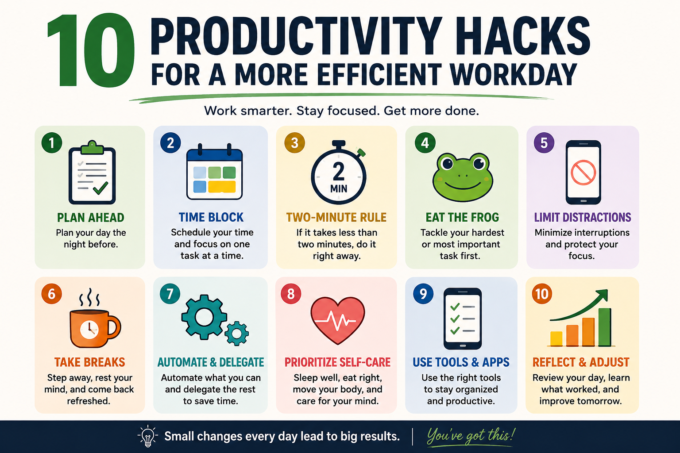
1. Frees Up Your Time For Important Work
As a freelancer, your most valuable asset, aside from your skills, is your time. Every task you take on draws from the same limited pool of hours.
But not all tasks carry the same weight. Chasing invoices and responding to emails may be necessary, but do they push your business forward in the same way honing a craft or landing a new client does?
When you delegate the smaller and repetitive tasks, you preserve your time for the work that truly matters.
The hours you spend on research and bookkeeping could instead go toward the work your client actually pays you for.
You stop drowning in busywork and start focusing on high-value projects that grow your career.
2. Improves Quality
It’s easy for the quality of your work to suffer when you’re wearing all the hats. You may be a brilliant writer or designer, but that doesn’t automatically make you great at coding or web development.
When you try to do everything by yourself, you are likely to stretch your skills thin and lower the overall standard of your output.
Delegating allows you to seek the services of professionals who specialize in areas where you don’t shine. A proofreader will catch a typo you missed, and a web developer will design a beautiful website for you.
This way, you deliver professional results that reflect well on your reputation.
3. Reduces Mental Overload
Work, at times, means juggling ten tasks at once. Even if you somehow manage to keep everything in order, the sheer weight of responsibility can leave you mentally drained. This overload will affect your mood and chip away at your focus and creativity.
Delegation lightens this mental load. It clears up your headspace and reduces decision fatigue. You can then channel your energy into the kind of work that excites you.
4. Helps Scale Your Business
Everyone has a natural cap, the amount of work you can take on before hitting a wall. When you try to handle everything yourself, you’ll eventually hit this limit. Delegation is what allows you to break past this ceiling.
You outsource smaller tasks like bookkeeping and content scheduling, and focus on bigger projects and taking on more clients.
5. Creates Work-Life Balance

We love freelancing because we get to dictate how and when we work. But if not careful, work can eat into personal time.
When you handle everything, you’ll find yourself working late into the night and even on weekends. By the time you realize it, you are always ‘on’ and burnout isn’t far behind.
You should be able to shut your laptop at 6 PM knowing that someone else will schedule posts or process client invoices. You can even take a staycation, knowing your tasks are still moving forward.
6. Empowers Your Team
As a manager, your role isn’t to do everything. It is to guide and support the people you lead. Delegation gives your team a chance to shine.
You send the message that you trust them to handle responsibility. It stretches their workplace skills, and they feel more invested in the work.
Over time, this empowerment fuels motivation, and everyone feels like a valuable contributor to the team.
What You Should Delegate
It’s not always obvious which tasks you should keep and which ones to hand off. The goal is to outsource work that drains your time and energy without directly adding value to your work.
Here are some situations when delegation makes sense.
1. Repetitive Admin Tasks
Nothing screams for delegation more than admin work. It doesn’t take a lot of brainpower, and it eats up valuable time you could spend on high-value tasks that grow your business.
Administrative tasks you can delegate include:
- Managing emails
- Scheduling calls and meetings
- Sending invoices and tracking payments
- Updating spreadsheets and data entry
- Formatting documents and reports
- Organizing files and managing cloud storage
Use a virtual assistant or automation tool to ensure these tasks get done without draining your time.
2. Tasks Outside Your Expertise
Not every task is worth your time, especially when it falls outside your skill set. For example, as a writer, spending hours trying to design a logo is inefficient and costly.
Find a designer to do this. They’ll save you both time and frustration. What would have taken you an hour, they’ll do in half the time, and likely better too.
Invest this time and energy into the work you are good at, like writing.
3. Time-Consuming Research
Research is an essential part of many tasks, but it is also a massive time sink. Hours will vanish before you start the actual work.
Find an assistant or specialized researcher to get the information you need without losing momentum. You are still in charge of the research, but someone else is doing the digging.
In the end, you get the job done just as well, or even better, while saving yourself hours of draining work.
4. Overflow Work During Busy Seasons
When work piles up, it’s tempting to power through and handle everything yourself. But when you take on more than you can realistically manage, you risk missed deadlines and burnout.
During the busy periods, consider delegating overflow tasks to keep everything flowing without sacrificing your sanity. You may outsource a small project or bring in a subcontractor to handle extra workload.
5. Tasks That Don’t Excite You
Not every task sparks joy. Some are necessary but draining. They sap your motivation and make projects feel heavier than they are.
If you are a writer, you may dread editing and formatting your work in a CMS. It’s necessary, but you still hate it, and forcing yourself to do it will only slow you down.
Delegate such tasks to focus on what you love. And when you pass such tasks to people who enjoy them, they will likely produce faster and better results than you.
In the end, it’s a win-win situation for everyone.
How to Delegate: Tips For Freelancers and Managers

When you delegate, you want to make sure your work is in the right hands. Consider these tips to make the process smoother and more productive.
1. Start Small
The best way to delegate is to ease into it. Don’t hand off half your workload at once; otherwise, you risk overwhelming the other person and yourself.
Start slow. Pick one or two simple tasks to delegate first. This gives you a chance to test the waters and build trust without too much pressure.
You could assign a small portion of a project to a team member or outsource inbox management to a virtual assistant. Get comfortable with the process first, then begin scaling up gradually.
2. Delegate the Right Tasks
Not everything can, and should, be delegated. It’s your responsibility as a freelancer or manager to decide what requires your personal attention and what’s worth handing off.
The rule of thumb is that if it is important and urgent, it belongs to you. These are normally core responsibilities that require your unique expertise and decision-making. Chances are, only you can execute them well.
On the other hand, if it’s repetitive and time-consuming, give it to someone who can handle it just as effectively.
For example, you may delegate admin work like scheduling or routine reporting and retain negotiations and high-stakes presentations.
3. Hire the Right People
Delegation is only as effective as the person you hand your task to. Hire the wrong person and you’ll spend more time fixing mistakes you wanted to avoid in the first place. That’s why it’s crucial to choose the right person.
What I have learned over the years is to look beyond technical skills. Reliability and communication matter just as much, and at times, even more.
You want to settle for someone who will take ownership of the task and add value to it. That’s why the first tip was to start small. Hire slow and build trust gradually. With time, you’ll have a support system you can count on without micromanagement.
4. Trust Your Team
Speaking of micromanagement, you also want to let go of control as you hand over a task. You may be tempted to hover and check every detail, but this defeats the purpose of delegation.
Instead, set clear expectations, agree on the timeline, and step back. Give your team, or the person you’ve delegated to, the freedom to deliver.
If there will be adjustments to make, use them as an opportunity to guide and not as a reason to pull the work back on your plate.
The more you trust, the stronger and more capable your team becomes.
5. Provide Clear Instructions
One reason why delegation often fails isn’t because we hand over tasks to the wrong people, but rather because we fail to give them the right direction. Give them clear instructions and outline exactly what you expect from them.
When you invest more in explaining upfront, you deal with less back-and-forth later.
6. Provide Resources
Without the right tools, even the most skilled freelancer cannot deliver their best work. Resources are fuel for successful delegation. Equip them with the right tools if you want them to succeed.
This could mean sharing access to project management tools or client briefs that give them the context they need to complete the task effectively. For team members, it may go beyond tools. Employees may need training or access to the software needed for a project.
By equipping your team with the right resources, you empower them to deliver high-quality work and eliminate unnecessary delays.
7. Set Deadlines and Buffers
Don’t forget about the deadline. If you don’t set a clear timeline, your contractor may drag out a task longer than expected. Deadlines create accountability, structure, and a sense of urgency that keeps everyone focused.
It’s also smart to build in buffers. Include some extra time in the deadline to protect yourself and your contractor from last-minute chaos and still keep the project on track.
8. Track Progress
Delegation doesn’t mean you disappear completely. Even when you don’t want to micromanage, it’s essential you keep an eye on the progress to ensure the task stays on track and meets your expectations.
You can even catch a small issue early and fix it, rather than dealing with it at the last minute. Tracking the progress could be as simple as requesting a brief update at the end of each day or logging in to the project management tool to monitor milestones.
9. Recognize and Appreciate
Finally, when everything is done, recognize and appreciate the effort of your contractor. They’ve put in the effort to ensure the project is a success.
A simple thank-you message or small bonus can go a long way in boosting their morale and building a strong future working relationship with them.
Also, provide feedback to help them understand what they did well and where they could improve. Who knows, this could be the start of a long-term working relationship?
Common Myths About Delegation
Delegation carries a few stubborn myths that force people to cling to every task, even when it’s not serving them. Such misconceptions affect and hold back your business.
Here are some common delegation myths.
1. I Have to Do It Myself if I Want It Done Right
Your work is very important. And because of this, you believe no one will care for it the way you do. So, the safest route is to handle everything yourself.
Just because no one knows your business better than you doesn’t mean they can’t do the job just as well, if not better.
The key is to find the right specialist, provide them with clear instructions and the right tools, and trust that they will deliver.
You’ll be surprised at the efficiency and fresh ideas they come up with; things you probably may not have come up with yourself.
2. I Can’t Afford to Outsource
Why spend money on help when you are trying to make more yourself? This sounds like a logical mindset.
In reality, waiting until you ‘earn enough’ to outsource often delays your growth. You are spending time on low-value tasks that cost you potential income if you had instead focused on client work.
Remember that outsourcing doesn’t necessarily imply hiring a full-time employee. You could hire for a few hours a week or use affordable platforms that charge per task.
Think of it more as an investment and less as an expense.
3. It’s Faster if I Just do it Myself
This may feel true at first. Writing instructions and clarifying expectations may seem like more work. Why not just roll up your sleeves and do the work yourself?
In reality, once you’ve set things up and explained the process, the subcontractors can handle the tasks repeatedly without your involvement.
It’s like building a system that requires an upfront investment. But once in place, everything flows smoothly.
4. Delegating Makes Me Look Lazy
You may hesitate to delegate because you fear you’re evading responsibilities. After all, isn’t the goal to handle everything yourself and be independent?
Smart delegation is a sign of professionalism, not laziness. You care enough to let someone better handle the work. At the end, you get better quality work, delivered faster.
5. I’ll Lose Control if I Delegate
No, you won’t. Things only spiral out of control when you disappear. As a good delegator, you provide guidance, set clear expectations, and still check in periodically to monitor progress. You are in charge of what needs to be done and how you want it delivered.
If anything, good delegation gives you more control. You focus on the bigger picture and make strategic decisions while your team handles the smaller details.
Master Delegation
Do it well, and delegation will save you time and money. Do it poorly, and it will cost you the same, with far more stress than it solves.
The secret is thoughtful execution. Start small, provide clear instructions, and delegate the right tasks to the right people.
You now have time to focus on the work that truly matters.