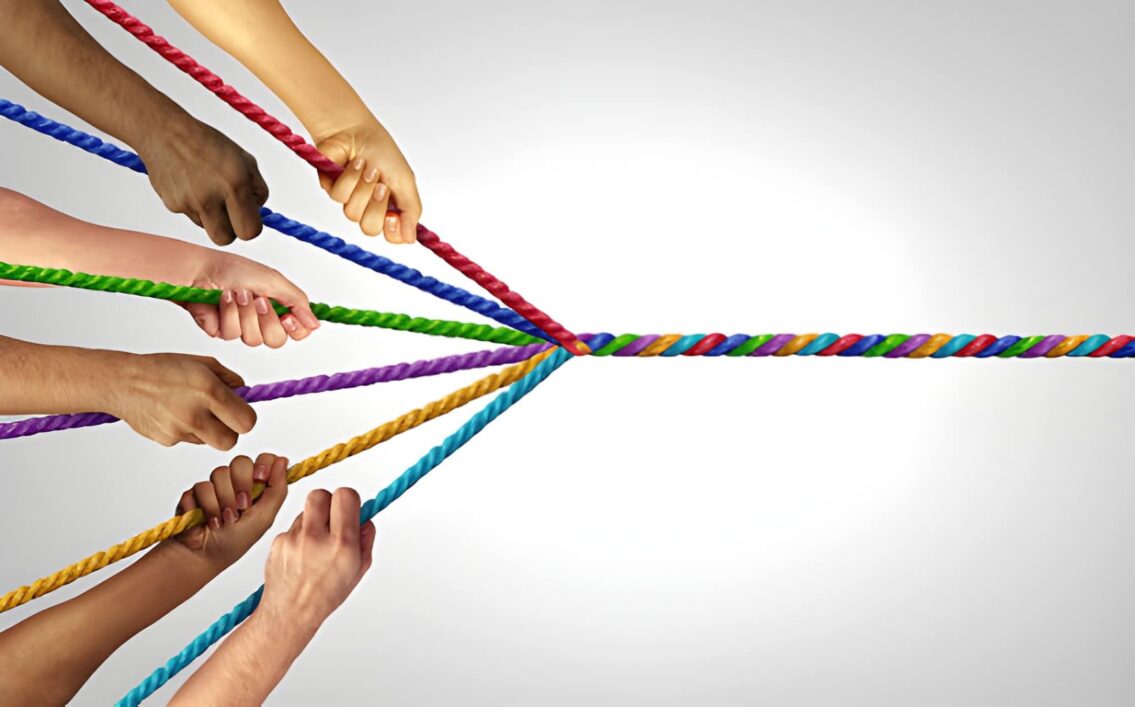
It’s easy to spot a team that works well together. It shows in the little things. Problems get solved without ego getting in the way, and ideas flow instead of getting forced.
Likewise, it’s easy to spot when teamwork is missing. There’s usually a quiet tension where everyone’s doing their part, but nothing clicks.
That’s why teamwork isn’t just a ‘nice to have’ skill in the workplace, it is the foundation of how real progress happens.
Here’s a breakdown of the importance of teamwork in the workplace and how it directly impacts performance and overall success.
1. Better Problem Solving
It doesn’t matter how sharp you are, there’s always something you’re going to miss. That’s just how life works.
But when you have different minds in the same space, those blind spots are more likely to be caught.
In a team, one person questions the approach while another spots a risk nobody considered. What would’ve gone completely wrong gets solved easily because people are building on each other’s thinking.
It turns problem solving from a solo struggle into a shared advantage, and that’s hard to beat.
2. Increased Productivity
Being busy is different from being productive—and teamwork closes that gap. Since everyone knows their role, work flows instead of dragging.
The writer writes while the editor edits. The designer handles designs, and the organizer keeps things on track. No energy is wasted, and there’s no unnecessary overlap.
Good teamwork cuts down hesitation. People don’t spend half the day waiting for direction. Things move and progress becomes consistent.
3. Encourages Healthy Conflict
Conflict isn’t always bad. If anything, the right kind of disagreement keeps teams from settling for average.
Someone challenges a plan and another defends it. A third then suggests a better way. It’s the kind of tension that sharpens the outcome.
The key is that it remains healthy. It’s not about proving who is right, but rather about getting it right. Good teammates disagree without it getting personal, and that’s when growth happens.
4. Improved Communication Skills
Working in a team sharpens your communication. You have to explain your ideas in a way others understand. You also have to listen when it’s not your turn to talk.
Over time, you get better at reading between the lines and expressing yourself. You’re also better at avoiding small misunderstandings that turn into big problems.
When communication improves, mistakes become fewer and collaboration way smoother.
5. Builds Trust Among Members

Trust isn’t built only in meetings and team-building exercises. It’s also in the day-to-day work.
It shows up when one person delivers on time and when another teammate follows through on what they said they’d do.
These small actions stack up over time and people stop double-checking everything. There’s a sense of ‘I’ve got this, and I know they’ve got me too.’
Once trust is established, collaboration feels natural. The team stops functioning as individuals and starts working like a unit.
6. Boosts Employee Morale
Work feels different when you are part of a team that performs. You don’t need to drag yourself through tasks alone or feel like everything rests on your shoulders.
There’s support and shared effort. And even tough days feel more manageable.
A good team will bring in the kind of energy you can’t fake. You pick each other up when things go sideways, and you celebrate small wins together.
It creates a sense of ‘we are in this together.’
7. Builds a Sense of Belonging
It feels incredible to know you matter. That you’re not just a worker, but part of something bigger.
Work stops feeling transactional when you are included, heard, and relied on. It starts to feel personal.
It starts to feel like you’re contributing to a shared goal with people who notice your input.
This sense of belonging changes how people show up. You care more, you engage more, and you become less likely to check out mentally.
8. Better Decision-Making
Decisions made in isolation are a gamble. Sometimes they work, sometimes they don’t.
But when decisions are made as a team, they’re usually more thought-through.
You get different viewpoints. Someone highlights a risk while another points out an opportunity. Someone else brings in experience you didn’t have. Combine all these, and you get more balanced, less impulsive decisions.
Sure, it may take slightly longer than a solo call, but the trade-off is fewer mistakes and stronger outcomes. In most cases, that’s worth it.
9. Increased Accountability
You are more likely to slack off when no one’s paying attention. But in a team, your work affects everyone, not just you.
When you have people relying on you, you get a natural push to show up and follow through on what you said you would do.
Not out of pressure, but a sense of responsibility. You don’t want to be the reason things stall or fall apart.
You are accountable to the team and the team is accountable to you.
10. Strengthens Relationships at Work
Working side by side every day builds real connections. You start to understand how people think and how they handle pressure.
You learn what they are good at and where they need support. These interactions over time turn into genuine working relationships.
Collaboration becomes easier when relationships are strong. You communicate more openly and are more willing to help each other out.
Better Overall Results
Everything about teamwork leads to better results.
Better ideas, smoother communication, and shared effort. It all compounds and eventually shows up in the results. The quality of your work becomes better and the delivery faster.
That’s the power of teamwork. It raises the standard. It turns good into better, and better into exceptional.
How strong is your teamwork?