
At first, MoSCoW Prioritization sounds like a Russian war strategy, involving spies and code words. In reality, though, it’s far less dramatic, and way more useful for your workday.
This is a simple yet clever productivity framework that assists teams to figure out what deserves their attention, and what can wait.
Here’s everything you need to know.
What Is MoSCoW Prioritization?
The MoSCoW prioritization (also known as the MoSCoW method or MoSCoW analysis) is a productivity technique that determines the importance of tasks by categorizing them into four priority levels.
The framework dates back to the 90s and was created by software developer Dai Clegg while working at Oracle. The goal was to help teams stop arguing about what’s urgent and instead agree on what’s essential.
Today, it has escaped the world of software and found its way into everyday planning, including business management and personal productivity.
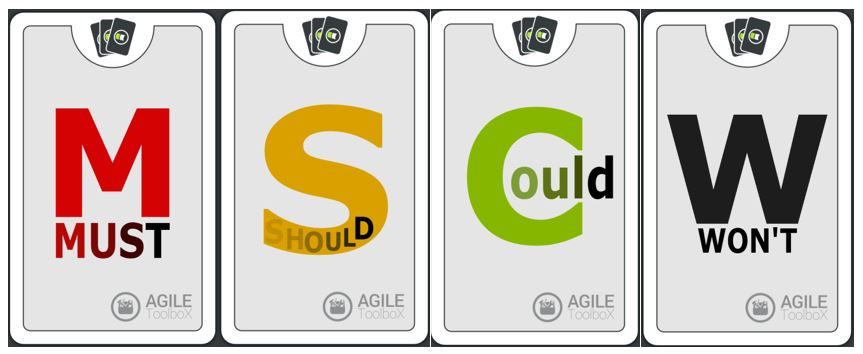
At its core, the MoSCoW method sorts your tasks into four neat categories:
- M – Must Have
- S – Should Have
- C – Could Have
- W – Won’t Have
The Os are only there to ease the pronunciation.
Must Have
The Must Have tasks are the foundation for the project. They are the non-negotiables that must happen for everything to make sense; otherwise the entire thing flatlines. Nothing else matters if they don’t get done.
This category defines success. For instance, if you are running a marketing campaign, you must have a message and target audience, and more importantly, a way to measure performance. The project crumbles without them.
Must Haves also show up in everyday life. They are tasks and responsibilities that you can’t skip, like paying rent or meeting a client’s deadlines. Failure to do them causes real-world consequences.
The Must Have category is powerful because it forces you to draw a line in the sand. But not everything is a Must Have. You need to be brutally honest with yourself to identify them.
Ask yourself, ‘Does the whole thing fall apart if I don’t do this task?’ If the answer is yes, then it’s a Must. If not, it belongs lower on the list.
Should Have
The Should Haves are tasks that are important for growth and performance. They add value and make your work shine, but you can still survive without them in the short term.
In project management, Should Haves normally include improvements and refinements; features that make the end result better but are not critical.
For example, adding dark mode to your website is incredible for night readers, but you can still do without it. In the same way you can add a sleek animation to your app to engage users, but it will still function without it.
It’s the same in real life. You must submit a proposal to your client, but you should design a neat cover page before sending. Eating dinner is a Must Have, but you should probably include some veggies in it.
The world won’t end if you skip the Should Haves, but the results will be noticeably better if you include them.
Should Haves turn good projects into great. The thoughtful touches polish the details and make your work stand out. You don’t have to do them, but you should.
The trick is not letting the Shoulds sneak into the Musts. Keep them on your radar but don’t let them derail your priorities.
Could Have
The Could Haves are the ‘it would be nice if’. They are the cherry-on-top extras that make your project sparkle if time and budget allow. They are not essential, or even urgent, but they add a touch of innovation and personality to the project.
For example, maybe you could have a personalized welcome message in your app. Or you could add interactive charts if you are writing content.
Your words alone can do the job well, but the charts and graphics add life to it.
The Could Haves become a playground for your innovation when everything else is under control. They keep you curious and motivated and give you something to aim for after settling the essentials.
Won’t Have
At the bottom of the list are the Won’t Haves. This is where you place all tasks and ideas that don’t make the cut right now. Not because they are bad, but because they aren’t a priority at this time.
It’s easy to confuse Won’t Have with Never. Won’t Haves simply mean not at this moment because you lack the budget or time.
For example, you may postpone a cool feature when launching until when you have the budget. Or when organizing your personal life, the cool DIY home project you want so bad can wait until next month when everything is settled.
You postpone the Won’t Haves so you can focus and build what really matters. Then later, some of the Won’t Haves may evolve to ‘Coulds’ or ‘Shoulds.’
Why the MoSCoW Method Works So Well
The MoSCoW method is effective because of its clarity. It forces you to be honest with your priorities. Here’s why it works so well.
1. Keeps Projects Realistic
It’s easy to overestimate what you can do with the limited time you have. You start the week well only to crash on Wednesday and wonder what went wrong.
The MoSCoW method builds a doable plan by separating the musts from the maybes. You no longer try to squeeze 2 days of work into a 24-hour day. You know what’s essential and what you can do without.
The approach is realistic and makes deadlines less terrifying. Your workload becomes lighter and it’s easier to achieve your goals.
You start focusing on what matters when you stop pretending you can do it all.
2. Aligns Teams
Everyone in a team has a different idea of what’s important. One person swears that the logo redesign is top priority while another insists that the new feature cannot wait. It’s easy for things to get messy.
The MoSCoW method creates a shared language of priorities and cuts through all this noise.
Decisions become a lot more practical when everyone can agree on what’s a Must Have and what’s a Could Have. The team gets a framework for a clear and objective conversation.
At the end, everyone moves forward with a sense of purpose and coordination and you can have little peace of mind.
3. Manages Expectations
Mismatched expectations derail a project very quickly. Clients expect miracles while the team just wants to survive the week. In such situations, the MoSCoW method steps in as the voice of reason.
You essentially draw a line between what’s promised and what’s optional when you label tasks into their respective categories. It creates more transparency from the start and prevents projects from ballooning beyond their original plan.
The MoSCoW method is a great reality check. It keeps stakeholders up to date on what they should expect, which makes for smoother workflows and happier teams.
4. Eliminates Decision Fatigue
Decision fatigue is real and exhausting. The more choices you have to make in a day, the harder it becomes to make good ones. MoSCoW takes this mental clutter and sorts it out for you.
It categorizes your priorities so you don’t waste time debating what deserves your attention. Such clarity means fewer emotional decisions and less overthinking.
It gives you a clear and logical order and saves your brainpower for meaningful work.
5. Prevents Burnout
Finally, MoSCoW removes the constant pressure to be on all the time. It separates what’s critical from what can wait. This way, you start working with intention instead of panic.
You no longer need to stay up late to finish optional tasks that won’t move the needle anyway. It helps you focus on the Musts and Shoulds so you can make steady and meaningful progress without draining your energy on low-impact work.
The result is less burnout and a sustainable way to remain proactive without losing your spark.
Sorting Your Tasks
MoSCoW’s real strength is in forcing you to be honest with yourself and your time. You can’t do everything, no matter how much coffee you drink, and that’s fine. It sorts your tasks and goals and gives you permission to focus on what matters.
The next time you feel overwhelmed by your to-dos, take a step back and think in MoSCoW terms: Is this really important or can it wait?
You’ll be surprised by how much everything starts to make sense.







Leave a comment