
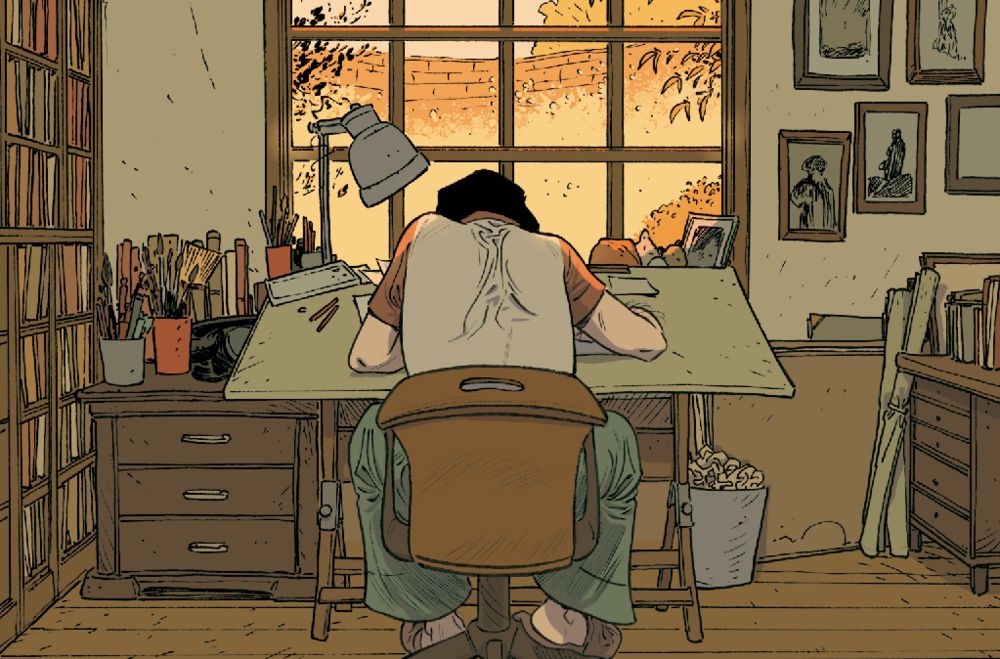
I have never worked from the office; I must admit this from the outset. My entire career has been behind a screen.
That means I’ve never had to worry about the morning commute or HR having a problem with my dress code. It means no one ‘mistakenly’ eats my packed lunch.
But it also means the line between work and life blurs very quickly. That’s because my bed is five steps away from my laptop, and my friends can pop in any time for a hangout.
Which begs the question: Is working from home the real dream?
Let’s talk about it honestly: the perks I wouldn’t trade anything for, the downsides no one tells you about, and whether this dream setup really suits your goals and personality.
The Pros
1. No Commute
Let’s begin with the obvious one: the commute, or lack of it.
My office is in the next room, which means I don’t have to wake up before sunrise to beat the morning rush. I won’t lose two hours of my life to traffic or have to carry an umbrella in case the weather changes.
I ease slowly into the morning. Some days that means sleeping a little longer, and other days it means reading a few pages before work.
Commuting drains you. By the time you sit at your desk, you’ve fought traffic, the weather, and people’s moods. Your patience has been tested a couple of times, and your mind is already growing tired.
There’s also the financial side. Transport money, fuel money, parking, office clothes to ‘fit the culture’, and whatever else you may incur. These costs quickly add up and eat into your already insufficient income.
Not commuting is hard to beat, which is why remote work feels like a dream for many.
2. Comfort and Personal Freedom
As I write this post, I’m in my sweatpants and indoor slippers with a hot cocoa on my desk. There’s no stiff collar or dress shoes I can’t wait to take off. No “office appropriate” version of myself performing professionalism.
Working remotely gives you a level of physical comfort that most offices simply cannot match. You choose the chair, you control the temperature, and you decide what’s playing in the background, whether it’s jazz or complete silence.
It’s autonomy in its simplest form.
You show up as yourself, and not the office version of yourself. Once you get used to this level of comfort, going back to a rigid office setup feels like wearing shoes two sizes too small.
3. Increased Productivity
When it’s quiet at my home, it gets really quiet. The kind of silence that lets me focus deeply for hours.
I can sit with a task long enough to complete it. Some days, I finish in four hours what would take eight in a traditional office setting. Not because I’m superhuman (thinking of it, I kinda am), but because I’m not constantly context switching.
There’s also the flexibility factor.
You can be a morning person or a night owl. If your brain wakes up at 10 p.m., you can front-load your most important work then–depending on your job, of course.
You don’t need to get locked into someone else’s rhythm.
4. Emergencies
Working from home means I’m physically present for the unexpected– a child suddenly feeling unwell or a repair issue that can’t wait.
I am there, and not stuck in traffic, panicking and calculating how long it will take to get back.
This proximity matters.
I don’t need to ask for permission to handle life or craft an elaborate explanation to leave the office early. I can step away, deal with what needs dealing with, and return to work effortlessly.
Yes, working from home doesn’t stop emergencies from happening. But it makes sure I’m not powerless when they do.
The Cons
Even with all its freedom and flexibility, working from home has a shadow side. The perks that make it attractive are the same ones that, when you’re not careful, can work against you.
1. Work-life Balance
Your workspace and living area share the same square footage.
There’s no evening commute back home or physical exit to signal work is over. The best you can do is to close your laptop.
You’ve got to be really disciplined not to overwork.
I’m not, and I constantly find myself working late into the night, at times even past midnight. Perhaps it’s the pursuit of success or the quiet pressure to prove I’m productive.
Over time, this can easily turn into burnout.
So while working from home gives you control over your schedule, it also demands that you protect your personal time, because no one else will do it for you.
2. Isolation
Human beings aren’t wired for permanent isolation.
Being alone feels productive at first, peaceful even. It’s just you and your work. But with time, you start to notice the missing pieces.
There are no spontaneous conversations or shared laughter with colleagues. Zoom calls aren’t the same, and even when you’re ‘connected,’ you are still alone in your space.
You miss out on casual mentorship and the small, organic interactions that build relationships. Days can even go by without physically speaking to another adult.
You gradually withdraw from people, and your social life suffers. It’s something you only really understand after you’ve lived it.
3. Distractions
Home is familiar and comfortable; and it’s full of things that would rather you not work.
Your TV is there, the kitchen, the fridge, the bed– especially the bed. A thirty-minute nap can easily consume your entire afternoon.
Notifications are tempting, and social media is one tap away. At least in an office, there’s the social pressure to look busy. None of that exists at home.
Your friends always assume you’re available throughout and can pop in anytime.
Recently, I turned down a friend’s offer to meet up over the phone because I was busy. Surprised, he exclaimed, ‘When have you ever been busy?’
The Dream Life?
Working remotely gives you control over your time, environment, and pace. But it also demands structure and discipline if it’s going to work.
You quickly find out no one’s watching over you, and you’re entirely responsible for your productivity.
So, is it better than office work? I’m not sure, but I know it’s different.
Would I trade it for office work? Not any time soon.






Leave a comment